Flat Roofs for Homes: Pros, Cons, and Maintenance Essentials
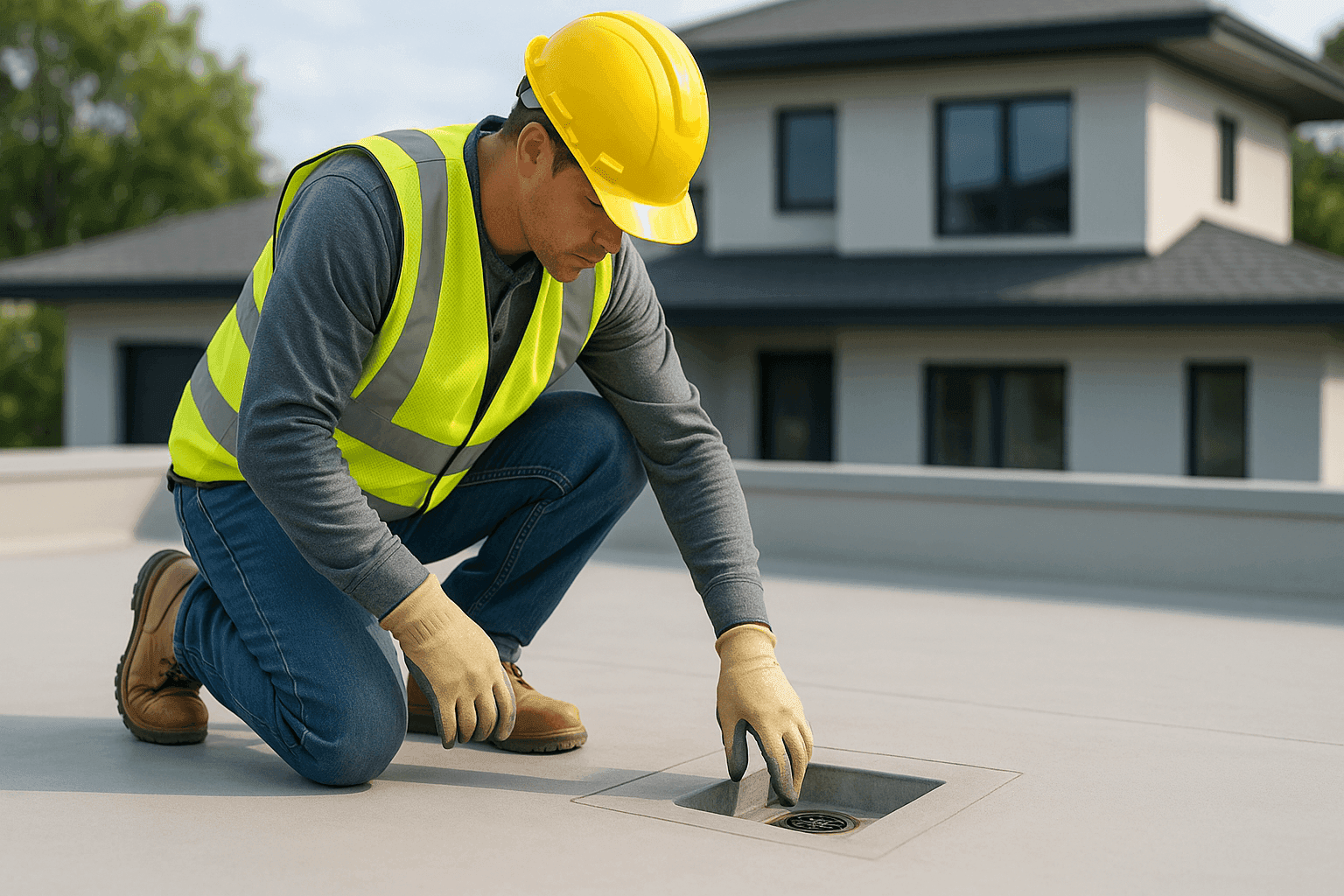
Flat roofs have a reputation. Some homeowners love their modern look and versatility. Others worry about leaks and repairs. If you’re considering a flat roof for your home—or already have one—you’re probably weighing the pros and cons, looking for honest guidance you can trust.
At Rich Roofing, we know flat roofs inside and out. Our emergency roofing crews handle everything from tricky leak repairs to full replacements, day or night. Let’s break down what makes flat roofs unique, and what it takes to keep them in shape for the long haul.
Advantages of Flat Roofs 🏡
Flat roofs bring a fresh perspective to home design. Here’s why they’re winning over homeowners from coast to coast:
- Design Flexibility: A flat roof is like a blank canvas. Want a rooftop garden? Solar panels? An outdoor lounge space? All possible. The flat surface makes it easy to build up—literally.
- Easy Access: Forget steep slopes and risky climbs. Flat roofs are safer and easier to walk on for inspections, cleaning, or quick repairs, making routine maintenance less of a hassle.
- Outdoor Living Potential: Imagine sipping coffee on your own rooftop deck. Or creating a play area for the kids. Flat roofs open up a world of possibilities for extra usable space.
- Modern Aesthetics: The clean, simple lines of a flat roof give homes a contemporary look that stands out in any neighborhood.
- Cost-Effectiveness: In some cases, flat roofs require less material than pitched ones, which can help with upfront installation costs—though ongoing care is key.
Common Flat Roof Problems ⚠️
Flat roofs, while stylish and practical, do have their own set of challenges. Here are the issues we see most often on emergency roofing calls:
- Ponding Water: Water that pools after heavy rain isn’t just an eyesore. It’s a warning sign. Persistent puddles can stress roofing materials and encourage leaks.
- Membrane Leaks: The waterproof layer (membrane) is the shield of your flat roof. Over time, it can crack, blister, or pull away at seams—especially if exposed to harsh sun or freezing winters.
- Insulation Issues: Flat roofs need effective insulation to keep energy bills down and prevent condensation. Poor insulation invites mold and heat loss.
- Drainage Problems: Flat doesn’t mean perfectly level. If gutters, downspouts, or drains clog up, water has nowhere to go. This is one reason gutter cleaning and downspout repair are critical.
- Thermal Movement: Temperature swings make flat roofs expand and contract. Over time, this flexing can compromise the integrity of the roof’s surface or flashing.
Maintenance and Repair Tips
Keeping a flat roof healthy is a lot like taking care of a car: regular attention beats waiting for a breakdown. Here’s what we recommend:
Regular Inspections
- Schedule a professional inspection at least twice a year—spring and fall are ideal. Look for soft spots, blisters, or cracks.
- After every major storm, give your roof a quick visual check from the ground (binoculars help), or call in the pros for a closer look.
Sealant and Membrane Checks
- Check all seams, edges, and flashing for signs of wear or gaps.
- Reseal vulnerable areas with approved roofing sealants. The International Building Code (IBC) and National Roofing Contractors Association (NRCA) both emphasize the importance of quality sealants for flat roofs.
Debris Removal
- Remove leaves, sticks, and dirt that can clog drains or hold moisture against the roof’s surface.
- Clean gutters and downspouts regularly so water flows freely and doesn’t back up onto the roof.
Preventative Maintenance
- Consider applying a reflective coating to reduce heat absorption and slow down UV damage (especially in sunny climates).
- Trim back overhanging branches to prevent debris buildup and minimize shade, which can encourage moss or algae growth.
Flat Roof Safety Checklist
Before climbing up or working near your flat roof, run through this quick checklist:
- Wear non-slip shoes and use a sturdy ladder.
- Inspect for soft spots or sagging before stepping onto the roof.
- Avoid walking on wet or icy surfaces.
- Never work alone—have someone nearby in case of emergency.
- Only use manufacturer-approved cleaning or sealing products.
DIY vs. Call a Pro
Routine debris removal or a visual check? Homeowners can handle these basics with proper precautions. But when it comes to membrane repairs, insulation upgrades, or major drainage fixes, it’s best to call in a trained roofing crew.
Flat roofs can be deceiving. What looks like a small bubble or tear may hide deeper water damage or structural issues. Rich Roofing’s teams are trained to spot—and fix—problems before they get out of hand.
What Pros Do On Arrival
When our emergency roofing crew arrives, here’s what you can expect:
- Assessment: We look for visible damage, ponding water, and signs of leaks inside and outside the home.
- Moisture Scanning: Using moisture meters or infrared cameras, we identify hidden damp spots.
- Targeted Repairs: From patching membranes to resealing flashing or replacing insulation, the focus is on fast, lasting fixes.
- Cleanup and Prevention: We clear debris, unclog drains, and recommend follow-up steps to prevent a repeat emergency.
Prevention & Maintenance
A healthy flat roof is an ongoing project. Here are habits that pay off year after year:
- Schedule regular inspections—don’t wait for a leak.
- Invest in quality membrane materials and coatings recommended by the NRCA.
- Clean gutters and downspouts at least twice a year (more if you have lots of nearby trees).
- Watch for warning signs like bubbling, cracking, or water stains inside your home.
- Ask about eco-friendly options—such as green roofs or reflective membranes—that boost efficiency and longevity.
Costs & Time Factors
Flat roof repairs and maintenance costs can vary. Here’s what typically affects the price and timeline:
- Size of the Roof: Larger roofs mean more materials and time.
- Material Type: Options include modified bitumen, EPDM rubber, TPO, and PVC. Each has its own price range and lifespan.
- Extent of Damage: A small patch job is less expensive than full membrane replacement or structural repairs.
- Access and Safety Needs: Hard-to-reach roofs or those with complex drainage systems may take longer to service.
- Weather Delays: Rain, snow, or extreme heat can slow down or postpone work.
Most routine maintenance can be handled in a few hours. More involved repairs may take a day or two. For emergencies, Rich Roofing responds around the clock—because leaks don’t follow a 9-to-5 schedule.
When It’s an Emergency
Some flat roof issues can wait. Others can’t. Call for emergency roofing service if you notice:
- Water dripping or pooling inside your home.
- Sagging or soft spots that suggest structural damage.
- Visible holes, splits, or large blisters in the roofing membrane.
- Electrical hazards or water near outlets/fixtures below the roof.
Don’t risk further damage by waiting. Quick action protects your home and helps avoid much bigger repairs down the road.
Frequently Asked Questions
How long do flat roofs last?
With proper maintenance, most flat roofs last 15–25 years. High-quality materials and regular inspections can extend their lifespan.
Are flat roofs more likely to leak than sloped roofs?
Flat roofs do have a reputation for leaks—mostly due to poor installation or neglected maintenance. With the right membrane, good drainage, and routine care, leaks are no more likely than with sloped roofs.
Can I install solar panels or a green roof on my flat roof?
Absolutely. Flat roofs are ideal for solar panels and green roofs, provided the structure is designed to support the extra weight. Always consult a qualified roofing contractor before making changes.
How often should I have my flat roof inspected?
At least twice a year, plus after any severe storm. More frequent checks are smart if you have mature trees nearby or live in a harsh climate.
Local and Seasonal Considerations 🌦️
Your region’s climate shapes your flat roof’s needs. In snowy areas, extra attention to drainage and insulation is a must—heavy snow can add weight quickly. In hot climates, reflective coatings help manage heat and extend membrane life. No matter where you are, “Ventilation & Insulation near you” is a smart search when you need help fast.
Flat roofs are popular in both urban neighborhoods and rural retreats. Whatever your location, regular upkeep is key to avoiding those sudden, stressful emergency roofing calls.
Flat roofs offer unbeatable style and space—but they need attentive care. Whether you’re facing a sudden leak or planning a rooftop retreat, Rich Roofing is ready to help.
Call Rich Roofing now — or reach us anytime at 888-871-3277 .