How to Identify and Fix Common Roof Leaks Before They Worsen
A drip in the attic. A water stain creeping across the ceiling. That uneasy feeling when the forecast calls for rain—again. Roof leaks have a sneaky way of turning small problems into big headaches.
At Rich Roofing, we know roof leaks don’t wait for a convenient time. They show up in the middle of the night, during storms, or just when you think everything’s fine. Our years handling emergency roofing have taught us one thing: catching leaks early saves money, stress, and your roof.
Why Roof Leaks Happen: The Usual Suspects
A roof isn’t just shingles or metal. It’s a shield—one that faces sun, wind, rain, and snow. Over time, even the toughest roof can develop weak spots. Here’s where leaks love to hide:
- Damaged Shingles: Cracked, curled, or missing shingles let water sneak in.
- Flashing Issues: Metal strips around chimneys, skylights, and vents can rust or pull away, leaving gaps.
- Clogged Gutters: When gutters overflow, water backs up under shingles and finds its way inside.
- Skylight & Chimney Seals: Old or brittle seals around skylights or chimneys can crack, letting water seep through.
- Downspouts & Gutter Joints: Loose or disconnected joints allow water to pool near your foundation—or worse, inside your walls.
- Flat Roofs & Ponding: Water that doesn’t drain properly can wear down flat roofing materials, leading to leaks.
Think of your roof like a raincoat. One small tear, and you’re soaked.
Quick Safety Checklist Before Inspecting Your Roof 🛑
Safety comes first. Before you grab a ladder or head to the attic, run through this checklist:
- Wait for Dry Weather: Wet roofs are slippery. Always inspect when it’s dry.
- Use a Sturdy Ladder: Place it on level ground, and have someone nearby if possible.
- Wear Shoes with Good Grip: Avoid sandals or smooth soles.
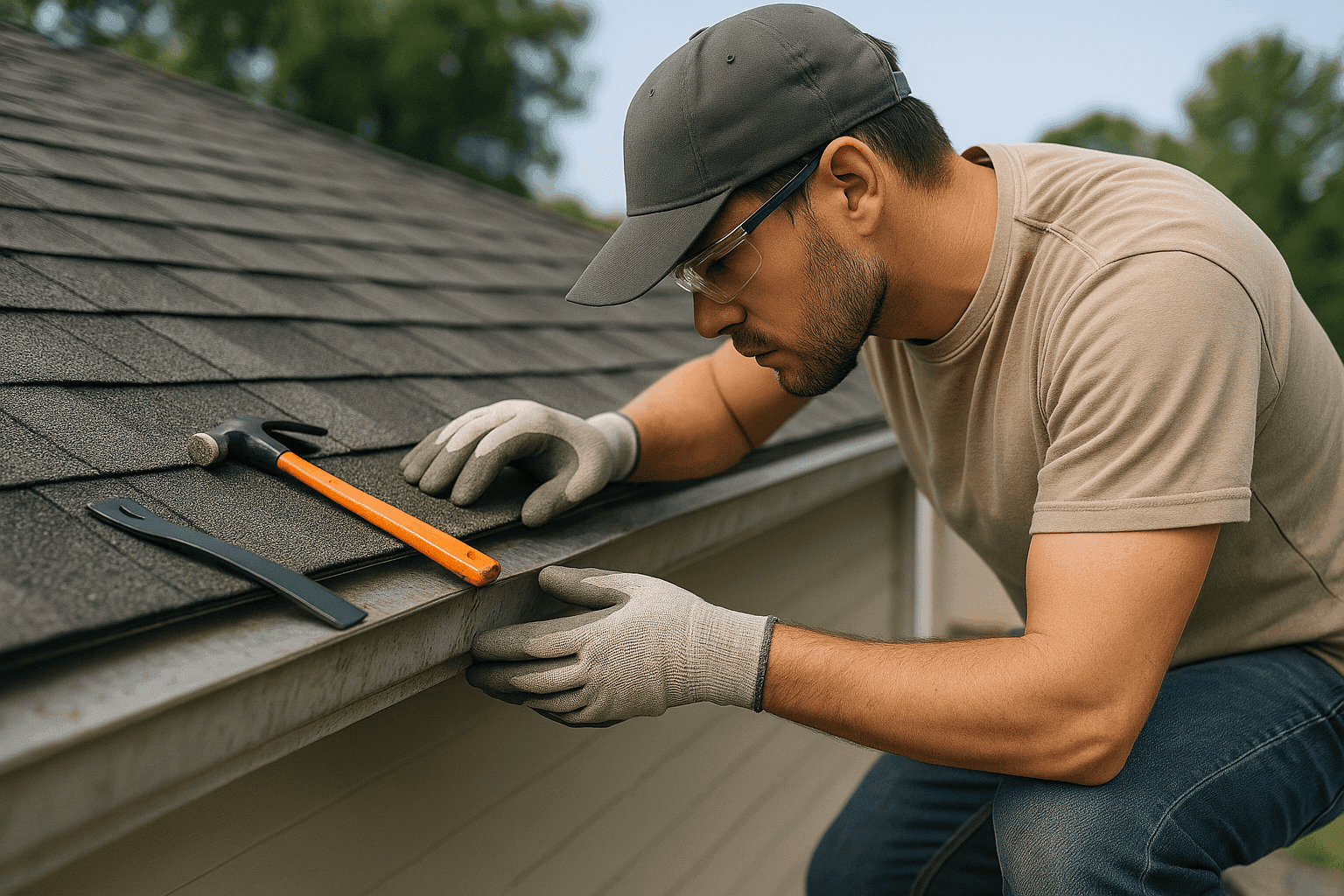
- Protective Gear: Gloves and safety glasses keep you safe from sharp edges and debris.
- Watch for Electrical Hazards: Be mindful of overhead wires or exposed nails.
- Don’t Overreach: Move the ladder instead of stretching too far.
If you’re unsure or uncomfortable, it’s okay to stay grounded. Many signs of leaks can be spotted from inside or from the ground.
Signs of a Roof Leak: What to Look For Inside and Out
Water doesn’t always drip right where the leak starts. Sometimes, it travels along rafters or insulation before showing itself. Here’s what to watch for:
Indoors
- Water Stains: Brown or yellow stains on ceilings and walls.
- Peeling Paint or Wallpaper: Moisture loosens adhesives and paint.
- Musty Odors: Damp insulation or wood smells earthy or moldy.
- Dripping or Pooled Water: Especially after rain.
- Sagging Ceilings: A sign water is collecting above.
Outdoors
- Missing or Damaged Shingles: Look for patches that don’t match.
- Cracked or Rusted Flashing: Especially around chimneys, vents, and skylights.
- Debris in Gutters: Shingle granules or pieces of roofing in your gutters mean wear.
- Standing Water on Flat Roofs: Indicates poor drainage.
- Moss or Algae Growth: Traps moisture and can hide damage.
DIY Leak Detection: Step-by-Step
Some leaks are easy to spot. Others play hide-and-seek. Here’s a safe, simple process:
- Start Inside: Trace water stains or drips in your attic or upper floor. Use a flashlight to look for wet spots or mold.
- Check During Rain: If safe, inspect during or right after rain—wet trails are easier to spot.
- Look for Light: In the attic, turn off the lights during the day. If sunlight peeks through the roof boards, water can too.
- Inspect Gutters: From the ground, check for blockages or overflowing water during rain.
- Walk the Perimeter: Look for shingle damage, loose flashing, or clogged downspouts from the ground.
Never climb onto a steep or high roof without proper training and safety equipment. According to the Occupational Safety and Health Administration (OSHA), falls from roofs are a leading cause of injury.
DIY vs. Call a Pro: When to Tackle It Yourself
Some fixes are a weekend project. Others need emergency roofing professionals. Here’s how to decide:
DIY-Friendly
- Replacing a few shingles (if you’re comfortable on a ladder)
- Cleaning gutters and downspouts
- Applying roof sealant to small, accessible cracks
Call a Pro
- Leaks near electrical wiring or in hard-to-reach areas
- Major storm damage or large sections of missing shingles
- Persistent leaks that return after a DIY fix
- Structural issues (sagging, rotting wood)
- Flat roof or metal roof leaks
If you ever feel unsafe or unsure, it’s time to call Rich Roofing. We’re ready for emergency roofing needs, day or night.
What Pros Do On Arrival: The Rich Roofing Approach
When you call Rich Roofing, you get more than a quick patch. Here’s what happens:
- Thorough Inspection: We check inside and out—attic, roof surface, flashing, gutters, and more.
- Pinpoint the Leak: Using moisture meters, infrared cameras, and years of experience, we find the true source.
- Immediate Action: Temporary repairs (like tarping or sealing) stop water fast, especially in emergencies.
- Long-Term Solutions: We explain what caused the leak and recommend repairs—whether it’s replacing flashing, fixing shingles, or improving ventilation.
- Quality Materials: We use durable, proven products for every repair—no shortcuts.
- Documentation: Photos and notes help you understand the problem and the fix.
Prevention & Maintenance: Keeping Leaks at Bay 🛠️
A little care goes a long way. Just like changing your car’s oil keeps the engine running, regular roof maintenance prevents leaks. Here’s how:
- Seasonal Inspections: Check your roof in spring and fall, after storms, and before winter.
- Clean Gutters and Downspouts: At least twice a year, more if trees are nearby.
- Trim Overhanging Branches: Prevents damage from falling limbs or rubbing.
- Check Flashing and Seals: Look for cracks or rust, especially around chimneys, skylights, and vents.
- Remove Debris: Leaves, moss, and dirt trap moisture and speed up wear.
- Monitor Attic Ventilation: Good airflow prevents condensation and mold.
The National Roofing Contractors Association (NRCA) recommends annual professional inspections to catch problems early.
Costs & Time Factors: What to Expect
Roof leak repairs range from a quick fix to a full replacement. Factors include:
- Severity of Damage: Small leaks cost less; widespread damage costs more.
- Roof Type: Shingle, tile, metal, or flat roofs have different materials and labor needs.
- Access: Steep or multi-story roofs are more complex.
- Materials Needed: Quality sealants, replacement shingles, or flashing vary in price.
- Weather Delays: Rain or snow can slow repairs.
Minor repairs may take an hour or two. Major restoration or replacement could take several days. Acting fast keeps costs down—water damage spreads quickly.
When It’s an Emergency: Don’t Wait
Some leaks can wait for a sunny day. Others need immediate attention:
- Active Dripping or Water Flow: Especially if near electrical fixtures.
- Ceiling Sagging: Danger of collapse.
- Storm or Wind Damage: Missing shingles or exposed roof deck.
- Multiple Leaks: Water entering in several places.
- Unexplained Power Outages: Water may have reached wiring.
If you see any of these, treat it like a burst pipe. Emergency roofing services can prevent further damage and keep your family or business safe.
FAQ: Roof Leak Edition
How fast can a roof leak cause damage?
Water can damage insulation, drywall, and wood within hours. Mold can start growing in as little as 24–48 hours.
Can I use tarps as a temporary fix?
Yes, tarps can provide short-term protection until repairs are made. Secure them tightly and avoid walking on the roof if it’s unsafe.
Will insurance cover roof leaks?
It depends on your policy and the cause of the leak. Most policies cover sudden, accidental damage—not wear and tear. Check with your provider.
How often should I have my roof inspected?
At least once a year, or after major storms. Preventative maintenance catches small issues before they become big ones.
Special Considerations for Roof Leak Repair
- Eco-Friendly Options: Rich Roofing offers sustainable materials and coatings that minimize environmental impact.
- Ventilation & Insulation: Proper airflow and insulation reduce condensation, a hidden cause of leaks.
- Flat Roofs: Require special attention to drainage and coatings.
- Skylights & Chimneys: Regularly inspect seals and flashing—these are common leak sources.
- New Construction: Start with quality materials and installation for a leak-resistant roof from day one.
Every roof is unique, just like every home or business. Our team tailors repairs and maintenance to your needs, always focusing on safety, longevity, and value.
Call Rich Roofing now — or reach us anytime at 888-871-3277 .