Metal Roofing vs. Shingles: Pros, Cons, and Best Uses
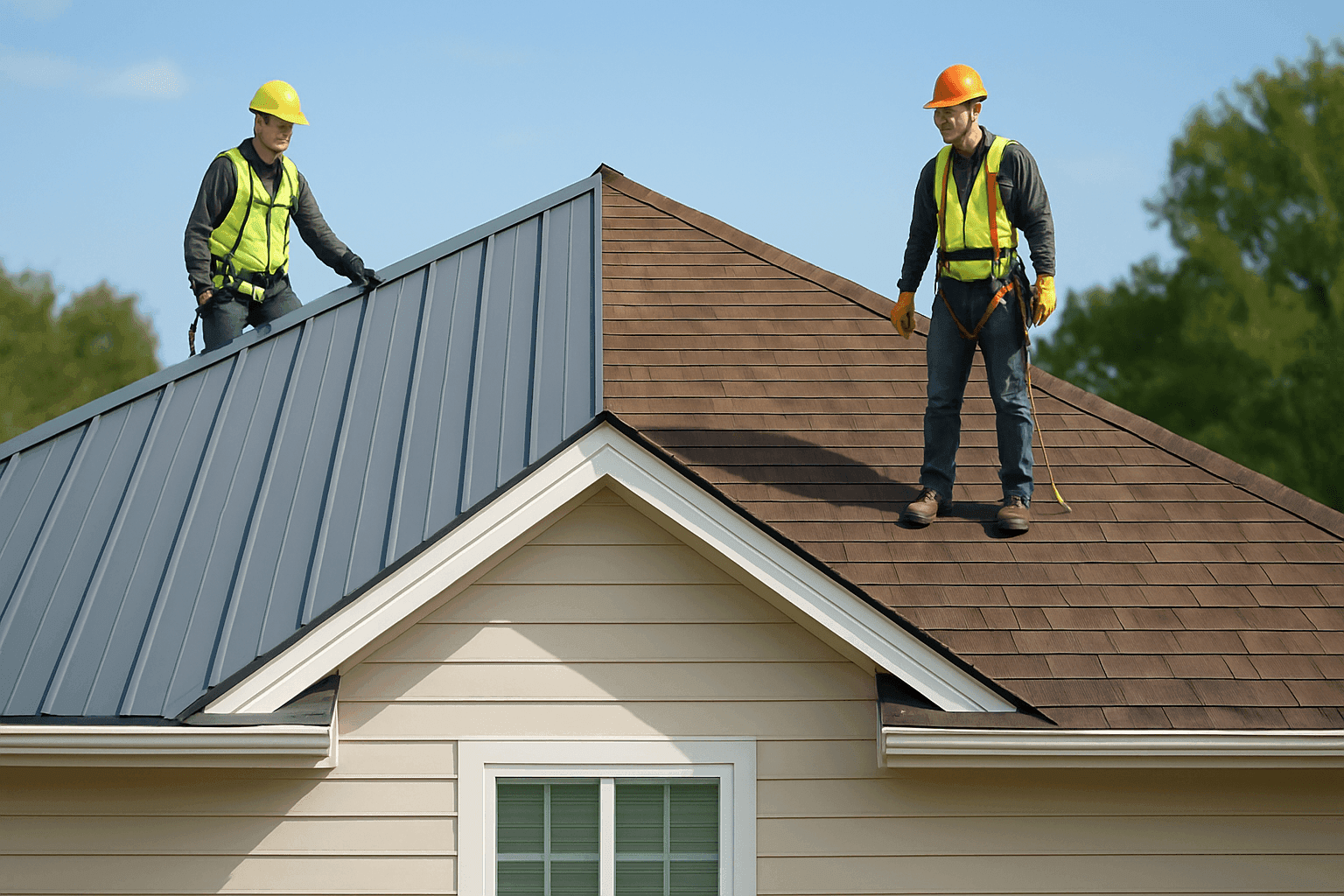
When a storm rolls through and your roof takes a beating, split-second decisions matter. Choosing between metal roofing and shingles isn't just about looks—it's about protecting your home, your wallet, and your peace of mind. At Rich Roofing, we see firsthand how material choice can be the difference between a quick patch and a full-scale emergency roofing call in the middle of the night.
You don’t need a degree in construction to get this right. But you do need solid facts, clear comparisons, and a neighborly voice to walk you through the tradeoffs. That’s where we come in.
Lifespan and Durability 🛡️
Some roofs age like fine wine. Others, like milk in the sun. Here’s how metal and shingles stand up when the forecast turns rough:
-
Metal Roofing:
Think of metal as the armor plate of the roofing world. High-grade steel or aluminum panels shrug off hailstones like a knight’s shield. According to the Metal Construction Association, metal roofs often last 40–70 years, sometimes more with proper care. They’re Class A fire-rated (the highest), resist cracking, and are less likely to blow off in high winds. Sun, hail, heavy snow? Metal doesn’t flinch. It may dent, but leaks are rare. -
Shingle Roofing:
Asphalt shingles are the workhorse—reliable, affordable, but with a shorter stride. Most shingle roofs last 15–30 years, depending on type and climate. They can handle moderate hail and wind, but sharp temperature swings or repeated sun exposure can cause curling, cracking, or granule loss. When a shingle roof is hit by a tree limb or flying debris, repairs are typically straightforward, but severe storms may mean more frequent emergency roofing visits.
Real-World Watch-Outs:
In our experience, shingles are often the first to need attention after a major storm. Metal roofs, while tougher, need professional inspections to spot minor dents or hidden fastener issues—especially after hail or high winds.
Cost and ROI 💸
Let’s talk numbers—because every roof is an investment, not just an expense.
-
Upfront Costs:
- Shingles: Lower initial cost. Asphalt shingles are budget-friendly and widely available, making them the default for many homes.
- Metal: Higher upfront cost. Installing a metal roof can cost two to three times more than a standard shingle roof. Materials and skilled labor are pricier.
-
Maintenance:
- Shingles: Expect periodic repairs. Missing, curling, or damaged shingles are common, especially after storms. Gutter cleaning and routine inspections are a must.
- Metal: Less frequent maintenance. Occasional tightening of fasteners, checking sealants, and cleaning are usually all that’s needed.
-
Resale Value:
According to Remodeling Magazine’s Cost vs. Value Report, metal roofs often recoup a greater portion of their cost on resale compared to shingles. Buyers like the idea of a “forever roof.” But in some neighborhoods, traditional shingles may actually fit the local style better, helping your home sell faster.
Tip:
If you plan to move in five years, shingles may make sense. If this is your forever home, metal could pay off over decades.
Appearance and Home Value
Curb appeal isn’t just a buzzword—it’s the first thing you (and your neighbors) see every day.
-
Metal Roofing:
Sleek, modern, and available in a rainbow of colors and profiles. Standing seam, ribbed panels, even metal designed to mimic tile or shake. If you want a bold look, metal delivers. -
Shingle Roofing:
Classic, cozy, and versatile. Shingles come in many colors and styles, from basic three-tab to luxury architectural options. Easier to match for repairs or additions. Shingles blend in with most traditional neighborhoods.
Neighborhood Fit:
Check local codes and HOA rules before making the call. Some communities have restrictions on metal’s reflectivity or color, so it’s wise to ask first.
Climate Considerations 🌦️
Roofs don’t just sit there—they battle everything the sky throws at them. Here’s how each material fares in different climates:
Snow Country
- Metal Roofing:
Snow slides right off, reducing ice dam risk. Many metal roofs are rated for heavy snow loads. - Shingles:
Can trap snow, leading to ice dams and leaks if attic ventilation & insulation near you isn’t up to snuff.
Hurricane Alley
- Metal Roofing:
Properly installed, metal can withstand winds up to 140 mph or more (per manufacturer specs). Fewer seams mean fewer entry points for water. - Shingles:
High-wind-rated shingles are available, but standard shingles can lift or tear off in extreme storms.
Wildfire-Prone Areas
- Metal Roofing:
Non-combustible. Embers slide off without catching. Meets most fire codes. - Shingles:
Class A fire-rated options exist, but older roofs or lower-quality shingles may be less safe.
Hot, Sunny Climates
- Metal Roofing:
Reflects sunlight, keeping attics cooler. Many are ENERGY STAR® rated. - Shingles:
Absorb more heat. New “cool roof” shingles can help, but overall, metal wins for reflectivity.
Rich Roofing Reality:
We’ve installed both metal and shingle roofs in every climate. The best fit depends on your region, your home’s design, and how much you value long-term savings vs. upfront affordability.
Practical Tips for Choosing
- Walk your neighborhood. See what’s common.
- Check your attic’s ventilation & insulation near you.
- Consult local building codes (reference: International Residential Code, 2021).
- Weigh insurance discounts—some carriers favor metal for storm-prone areas.
- Factor in emergency roofing access; some materials are easier to patch in a crisis.
Lifespan and Maintenance: What to Expect
- Metal: Clean gutters, check for fastener loosening, inspect after hail.
- Shingles: Replace missing pieces, monitor for granule loss, check flashing and sealants.
Annual inspections—especially after storms—catch small issues before they become emergencies.
Metal vs. Shingles: The Bottom Line
- Choose metal if:
You want the longest lifespan, energy efficiency, and storm resilience—even if it costs more upfront. - Choose shingles if:
You prefer classic style, lower initial cost, or plan to change roofs again in 15–20 years.
Both are solid options when installed correctly and maintained with care.
FAQ
Q: Do metal roofs attract lightning?
A: No. Metal doesn’t increase lightning risk. If struck, it safely disperses the energy.
Q: Are metal roofs noisy in rain?
A: Not when installed with proper underlayment and attic insulation. The difference is minimal compared to shingles.
Q: Can I walk on my roof for maintenance?
A: Both types allow careful access, but always follow OSHA safety guidelines or call professionals for emergency roofing needs.
Q: Which is easier to repair?
A: Shingles are simpler for spot fixes. Metal often requires panel replacement for larger dents or leaks.
Local and Seasonal Factors
Every region brings its own roofing challenges. In snow zones, ice dam prevention is key. In hurricane country, wind ratings matter most. For homes near forests, fire resistance may tip the scales. Rich Roofing adapts every roof to local codes and weather, drawing on our years of hands-on experience.
Still weighing your options? With Rich Roofing, help is always a call away.
Call Rich Roofing now — or reach us anytime at 888-871-3277 .