How to Prepare Your Roof for Severe Weather: A Homeowner’s Guide
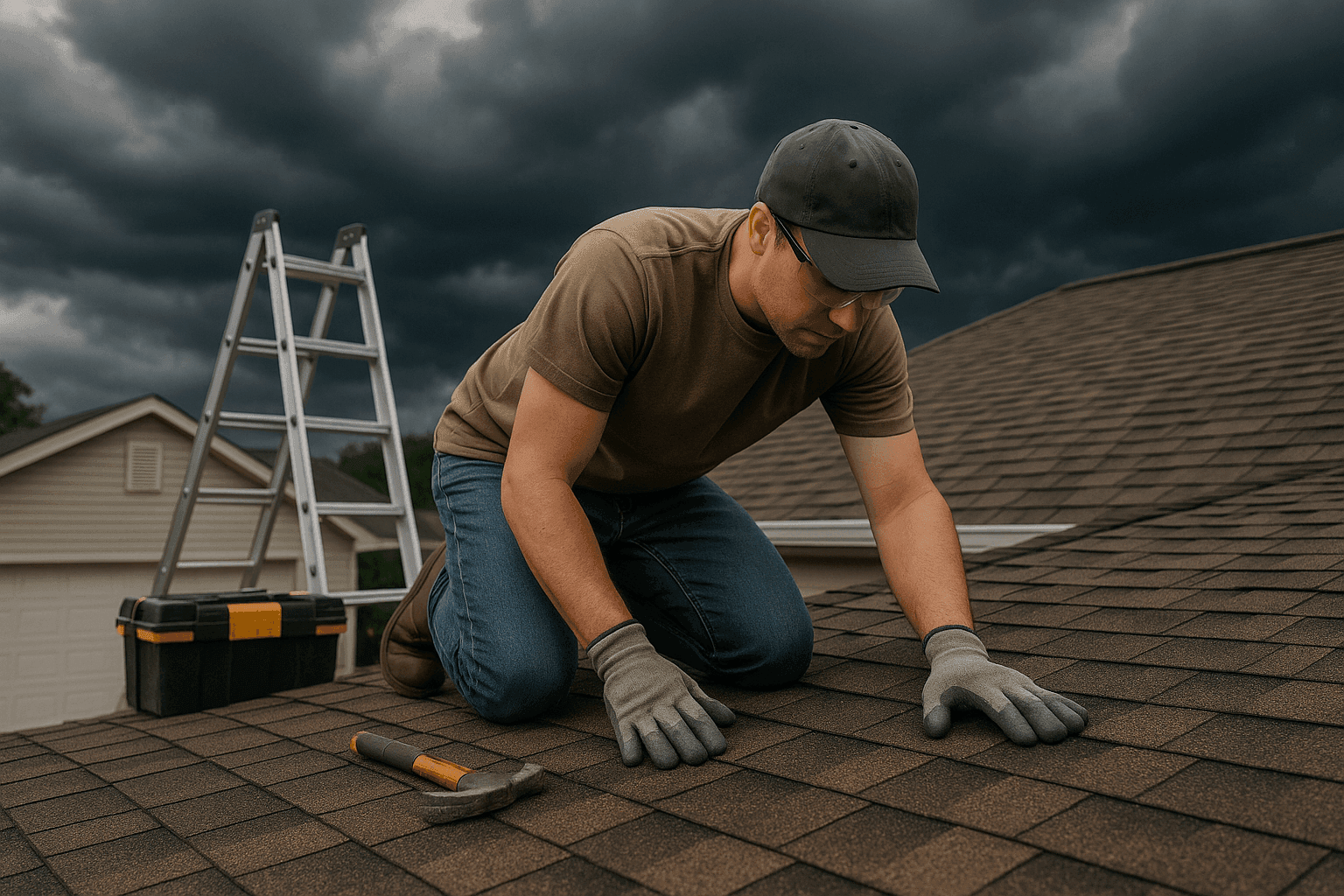
When the skies darken and the wind picks up, your roof becomes your shield. But a shield is only as strong as its weakest spot. At Rich Roofing, we know that a little preparation can mean the difference between a safe home and a costly emergency.
Severe weather doesn’t wait for a convenient time. That’s why our emergency roofing team is always ready—so you can rest easier, even when the forecast looks rough.
Why Severe Weather Preparation Matters 🌩️
Imagine your roof as a helmet for your house. If it’s cracked, missing a strap, or just not fitting right, it can’t protect you when you need it most. Storms, heavy rain, and high winds test every inch of your roof. Small issues—like a loose shingle or a clogged gutter—can quickly become big, expensive problems.
Risks of Neglect:
- Water leaks that damage ceilings, walls, and belongings.
- Mold and mildew from trapped moisture.
- Structural problems if water seeps into decking or framing.
- Safety hazards from falling debris or weakened roofing materials.
According to the Insurance Institute for Business & Home Safety, most severe weather roof failures start with something minor—like a loose flashing or a blocked downspout. The cost of ignoring these issues can be staggering, not just in repairs but in lost time and peace of mind.
Pre-Storm Roof Inspection Checklist
Before the next storm hits, walk around your home or business and use this checklist. If you’re not comfortable climbing ladders, use binoculars from the ground or call a professional.
Look for:
- Loose, missing, or curling shingles: Shingles are your roof’s armor. Even a few missing or damaged ones can let water in.
- Damaged or missing flashing: Flashing is the thin metal around chimneys, vents, and skylights. It keeps water out of the cracks.
- Clogged gutters and downspouts: Water should flow freely away from your roof. If it backs up, it can pool and seep under your shingles.
- Sagging or uneven roof lines: This could mean structural damage or rot underneath.
- Cracked sealants or caulking: Around skylights, vents, and chimneys, look for gaps or peeling.
- Debris on the roof: Branches, leaves, and dirt can trap water and hide damage.
- Signs of animal activity: Nests or chew marks can lead to leaks.
Tip: Take photos of any problem spots. They’ll help you track changes over time and explain issues to a roofer.
Essential Preventative Maintenance
Think of maintenance as giving your roof a regular checkup. It’s not just about fixing what’s broken, but about stopping problems before they start.
Gutter Cleaning
Clogged gutters are like blocked arteries for your home. Water needs a clear path off your roof. Clean out leaves, twigs, and debris at least twice a year—more often if you have trees nearby.
Sealants and Coatings
Check the sealant around flashings, skylights, and chimneys. If it’s cracked or peeling, reapply as needed. Consider modern roof coatings—they add a protective layer that helps repel water and reflect heat, extending your roof’s life.
Check Insulation and Ventilation
Proper ventilation and insulation in your attic keep your roof healthy from the inside out. They help prevent ice dams in winter and reduce moisture buildup year-round. The U.S. Department of Energy recommends checking for gaps, compressions, or wet insulation.
Downspout and Gutter Repairs
Look for leaks or rust on gutters and downspouts. Make sure they’re securely attached and direct water at least several feet away from your foundation.
Preventative Roof Inspections
Schedule a professional inspection at least once a year, especially before storm season. Trained eyes can spot things you might miss.
Emergency Roof Supplies and Safety Tips
When a storm is rolling in, preparation is key. Keep a few basic supplies on hand—just like you would a first-aid kit for your home.
Recommended Emergency Supplies:
- Heavy-duty tarp (for temporary roof patches)
- Roofing nails or screws and a hammer
- Utility knife and duct tape
- Work gloves and safety goggles
- Flashlight with extra batteries
- Ladder (only if it’s safe to use after the storm)
Safety Tips:
- Never climb on the roof during a storm or when it’s wet—slippery surfaces are dangerous.
- If you spot a leak, place buckets or containers to catch water and move valuables out of harm’s way.
- Use tarps to cover damaged areas only if it’s safe to do so from the ground or a sturdy ladder.
- Stay away from downed power lines and avoid standing water near electrical outlets.
For official safety guidelines, refer to the recommendations from the Occupational Safety and Health Administration (OSHA).
When to Call a Professional
Some jobs are best left to those with the right tools and experience. If you notice:
- Large areas of missing shingles or visible holes
- Sagging sections of roof or ceiling
- Persistent leaks that don’t stop with a tarp
- Structural damage, like cracked rafters or decking
- Damage to skylights, chimneys, or flashing
Don’t wait. Severe weather can turn small repairs into major emergencies in a flash.
Rich Roofing provides 24/7 emergency roofing services. Our team is trained to assess damage, make temporary repairs, and guide you through the next steps. We handle everything from leak repair and flashing fixes to structural and storm damage restoration.
How Pros Handle Emergency Roofing Calls
When our team arrives, here’s what you can expect:
- Thorough inspection: We check the entire roof, gutters, attic, and interior for hidden damage.
- Temporary protection: Tarps or sealants are used to stop water intrusion right away.
- Detailed assessment: We document damage for insurance and recommend solutions.
- Clear communication: You’ll know what’s urgent, what can wait, and what needs replacement.
We use materials and techniques that meet or exceed current building codes (see International Building Code for reference). Safety is always our first priority.
Practical Tips to Extend Roof Life
- Trim trees and remove overhanging branches.
- Keep gutters and downspouts clean.
- Inspect after every major storm—even if you don’t see leaks.
- Use eco-friendly roofing options when replacing or upgrading.
- Schedule regular preventative maintenance.
- Don’t ignore small leaks; they almost never fix themselves.
Costs & Time Factors
Roof repairs after severe weather can range from a quick patch to a full replacement, depending on the damage. Minor fixes—like sealing a leak or replacing a few shingles—can take just a few hours. Larger jobs, such as structural repairs or new roof installation, may take several days.
Factors that affect cost and time include:
- Type and age of roofing material (shingle, metal, tile, flat)
- Extent of damage (surface vs. structural)
- Accessibility of the roof
- Weather conditions during repair
For up-to-date guidance on safe roofing practices, consult resources from the National Roofing Contractors Association (NRCA).
When It’s an Emergency
If you see water pouring in, ceilings sagging, or hear the ominous drip-drip-drip during a storm, don’t wait. Emergency roofing is about acting quickly to prevent further damage. Move family and pets to a safe area, protect your belongings, and call for help.
Rich Roofing responds day or night. Our crews are trained for emergencies, bringing peace of mind when you need it most.
Frequently Asked Questions
How often should I inspect my roof?
Inspect your roof at least twice a year—spring and fall are good times. Also, check after any major storm.
Can I repair a roof leak myself?
Small leaks may be patched with a tarp or sealant temporarily, but lasting repairs should be handled by a professional to avoid further damage.
What roofing materials hold up best in storms?
Metal and architectural shingles generally withstand severe weather better than basic asphalt shingles or wood shakes. Tile and flat roofs require special care and professional inspection.
How do I know if my attic is properly ventilated?
Look for signs like excessive heat, condensation, or mold. A professional can assess your insulation and ventilation setup.
Special Considerations for Roof Preparation
- Flat roofs: Pay extra attention to drainage and ponding water.
- Skylights and chimneys: Check flashing and seals for cracks.
- Eco-friendly options: Consider cool roof coatings or recycled materials for better performance and sustainability.
- Commercial properties: Schedule regular inspections, as larger roofs can hide issues longer.
Your roof is your building’s first line of defense. With a little preparation and the right help, you can weather any storm.
Call Rich Roofing now — or reach us anytime at 888-871-3277 .