Understanding Roof Flashing: Prevent Leaks Around Chimneys & Vents
Roof leaks don’t wait for a convenient time to strike. Water stains on your ceiling or a musty smell in the attic often mean trouble is already brewing overhead. At Rich Roofing, we know how fast a small drip can turn into a big headache—especially when flashing fails.
Flashings are the unsung heroes of every roof. Protecting you from surprise leaks, they guard the most vulnerable spots: chimneys, vents, skylights. Let’s break down how flashing works, what can go wrong, and how you can stay one step ahead of water damage.
What Is Roof Flashing? 🏠
Imagine your roof as a raincoat. Flashing is the zipper and seams—the crucial points where water tries to sneak in. Made from metal, rubber, or sometimes even high-grade plastic, flashing forms a watertight seal wherever the roof meets something else.
Where You’ll Find Flashing:
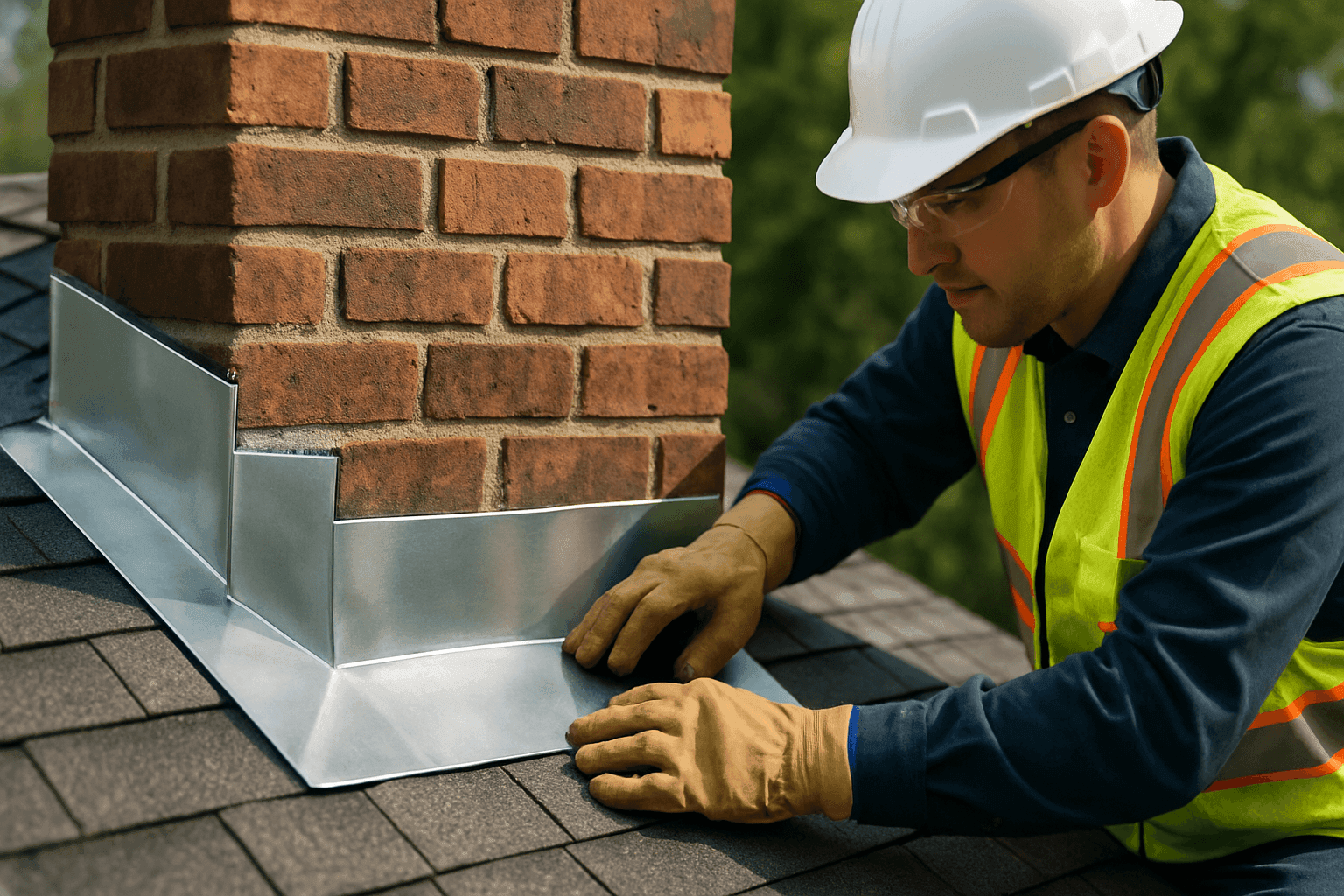
- Chimneys: Metal apron flashing wraps the base, with step flashing climbing up the sides in a neat, stair-step pattern.
- Vents & Pipes: Collars and boots, usually in a circular shape, hug these protrusions tightly.
- Skylights: Specially formed flashing kits bridge the edges, keeping rain from worming its way in underneath.
- Roof Valleys: Long strips guide water safely off the roof.
Types of Roof Flashing:
- Step Flashing: Small rectangles, overlapped like fish scales, around chimneys and walls.
- Continuous (Apron) Flashing: A single long piece along roof edges or dormers.
- Counter Flashing: Installed over base flashing, especially on brick chimneys, for double protection.
- Vent Pipe Flashing: Flexible boots or collars that seal pipes poking through the roof.
- Drip Edge: Metal strips at eaves to steer water into gutters.
Proper placement is everything. Even the most expensive flashing doesn’t work if it’s installed poorly or missed in tricky corners.
Common Flashing Problems
Just like a leaky raincoat seam, flashing problems often go unnoticed until the first storm. Here’s what can go wrong:
- Rust and Corrosion: Metal flashing can rust over time, especially when exposed to salty air or acid rain.
- Gaps and Lifting: Old caulk dries out, shingles shift, or wind loosens the metal—creating gaps for water to enter.
- Improper Installation: Sometimes flashing is nailed flat instead of layered, or corners are cut too short. Tiny mistakes here lead to big leaks later.
- Physical Damage: Branches, ice, or animals can bend or puncture flashing.
- Missing Pieces: When an old roof is replaced, sometimes small sections of flashing get overlooked.
If you see exposed nails, bent metal, or missing caulk, it’s time for a closer look.
How to Spot Flashing Leaks
Flashing leaks can be sneaky. Water follows gravity, but it also loves to travel sideways along framing and insulation before showing up somewhere unexpected.
Look for these warning signs inside your home:
- Brown stains or rings on ceilings and walls
- Peeling paint near the fireplace or attic
- Damp or moldy spots on wood or drywall
- Soft or sagging sections of ceiling
Outside, check for:
- Rust streaks or discoloration around chimneys or vents
- Shingles curling near flashing
- Gaps, cracks, or lifted edges in flashing
- Moss or algae growth right around the flashing
When in doubt, press gently on wood near the chimney or vent. If it feels spongy, water has already started its mischief.
Repair or Replace?
Should you patch the flashing or swap it out entirely? Here’s how to decide:
Patching Might Be Enough If:
- You spot a small gap or crack but the metal is sound
- Caulk or sealant has dried up but the rest looks good
- Only a single section has lifted or bent
Replacement Is Safer When:
- The metal is rusted through or thin like foil
- Leaks keep coming back after patching
- Several pieces are missing, loose, or installed incorrectly
- You’re already replacing the roof or major sections
Trying to fix a failing patch is like taping up a leaky bucket—it might work for a little while, but sooner or later, you’ll be mopping up water again.
Rich Roofing’s team is trained to spot the difference. We use proven repair methods and stand by our work with a solid leak warranty, so you can rest easy after the storm.
Quick Safety Checklist 🛑
Before you climb up to inspect your flashing, keep these safety points front and center:
- Check the weather—never inspect a roof in rain, snow, or high winds.
- Use a sturdy, well-placed ladder on level ground.
- Wear shoes with good traction.
- Never walk on a steep or wet roof, especially near skylights or edges.
- Watch for power lines or tree branches.
If you’re not comfortable or your roof is steep, stay on the ground and call Rich Roofing for emergency roofing help.
DIY vs. Call a Pro
Some flashing repairs are straightforward. Many, though, require skill, the right materials, and an eye for hidden damage.
You Might Try DIY If:
- The leak is small and you see an obvious gap in caulk you can safely reach
- You have basic tools and roofing sealant
- The roof is low and easy to access
Leave It to the Pros If:
- The flashing is rusted, badly bent, or missing altogether
- You see lots of water stains inside, hinting at hidden water
- The roof is steep, tall, or slippery
- You need repairs on metal roofing, tile roofing, or structural elements
Professional roofers spot details most homeowners miss. We can also check related issues—like insulation damage, chimney flashing, or gutter cleaning needs—on the same visit.
What Pros Do On Arrival
When Rich Roofing responds to an emergency roofing call, here’s what our crew does:
- Inspection: We check all flashing points, from the chimney to the smallest vent.
- Moisture Detection: We look for soft wood, hidden stains, and signs of mold or rot.
- Quick Fixes: Temporary patching or sealant is applied if rain is coming.
- Permanent Repairs: Damaged flashing is replaced, and shingles are reset or replaced as needed.
- Leak Testing: We use safe water testing to confirm the repair holds.
- Cleanup: All debris is cleared, and you get a clear, honest summary of what was done.
We’re trained in all types of flashing—metal, rubber, even eco-friendly options for green roofs.
Prevention & Maintenance
A little prevention goes a long way. Here’s how to keep roof flashing in top shape:
- Schedule Regular Inspections: At least once a year, or after every major storm.
- Keep Gutters & Downspouts Clean: Overflowing water can back up and damage flashing.
- Trim Overhanging Branches: Prevents debris and nests that trap moisture.
- Check Attic Ventilation & Insulation: Poor airflow can speed up rust and rot.
- Seal Small Gaps Promptly: Use roofing caulk to close tiny cracks around flashing.
For more on best practices, check the National Roofing Contractors Association (NRCA) guidelines or your local building codes.
Costs & Time Factors
Roof flashing repairs can range from a quick reseal to a full replacement. Factors that affect cost and time include:
- Type of flashing material (aluminum, copper, rubber)
- Height and slope of the roof
- Extent of water damage to wood or insulation
- Accessibility—chimneys and skylights can be tricky!
- Whether it’s bundled with other repairs like leak repair or gutter installation
A small patch might take under an hour. Replacing flashing around a large chimney could take a day or more. Emergency roofing services may carry additional costs for after-hours or storm calls.
When It’s an Emergency
If you see water pouring in during a storm, call right away. Waiting can mean much bigger repairs later—water quickly damages insulation, drywall, and even structural decking.
Emergency roofing is about speed and safety. We arrive ready to stabilize the leak, protect your home, and schedule a long-term fix as soon as weather allows.
FAQ
How often should flashing be checked?
At least once a year, preferably before and after storm season. Homes with lots of trees or older roofs may need checks more often.
Can I reuse old flashing when replacing a roof?
It’s possible, but not always wise. Old flashing may be brittle, rusted, or bent. For best results, new flashing is recommended with any major roof work.
Is caulk enough to fix a flashing leak?
Caulk can temporarily plug small gaps but isn’t a long-term fix for rust, large holes, or loose flashing. Full replacement is often safer.
What’s the best flashing material?
Aluminum is common, but copper lasts the longest (and looks sharp). Rubber boots are used for pipes. Your choice depends on roof type, climate, and budget.
Local & Seasonal Considerations
Weather can be wild. Heavy rain, snow, and freeze-thaw cycles all punish flashing. In cold climates, ice dams form along eaves and force water up under flashing. In hot, humid zones, rust and mold can set in fast.
If your area sees frequent storms or wild temperature swings, consider scheduling an extra inspection each year. Preventative maintenance, including ventilation & insulation near you, helps protect your investment year-round.
If you notice stains, hear dripping, or just want peace of mind, let Rich Roofing help. We respond fast—day or night—to keep your home safe from leaks.
Call Rich Roofing now — or reach us anytime at 888-871-3277 .