Seasonal Roof Maintenance Tips to Prevent Costly Repairs
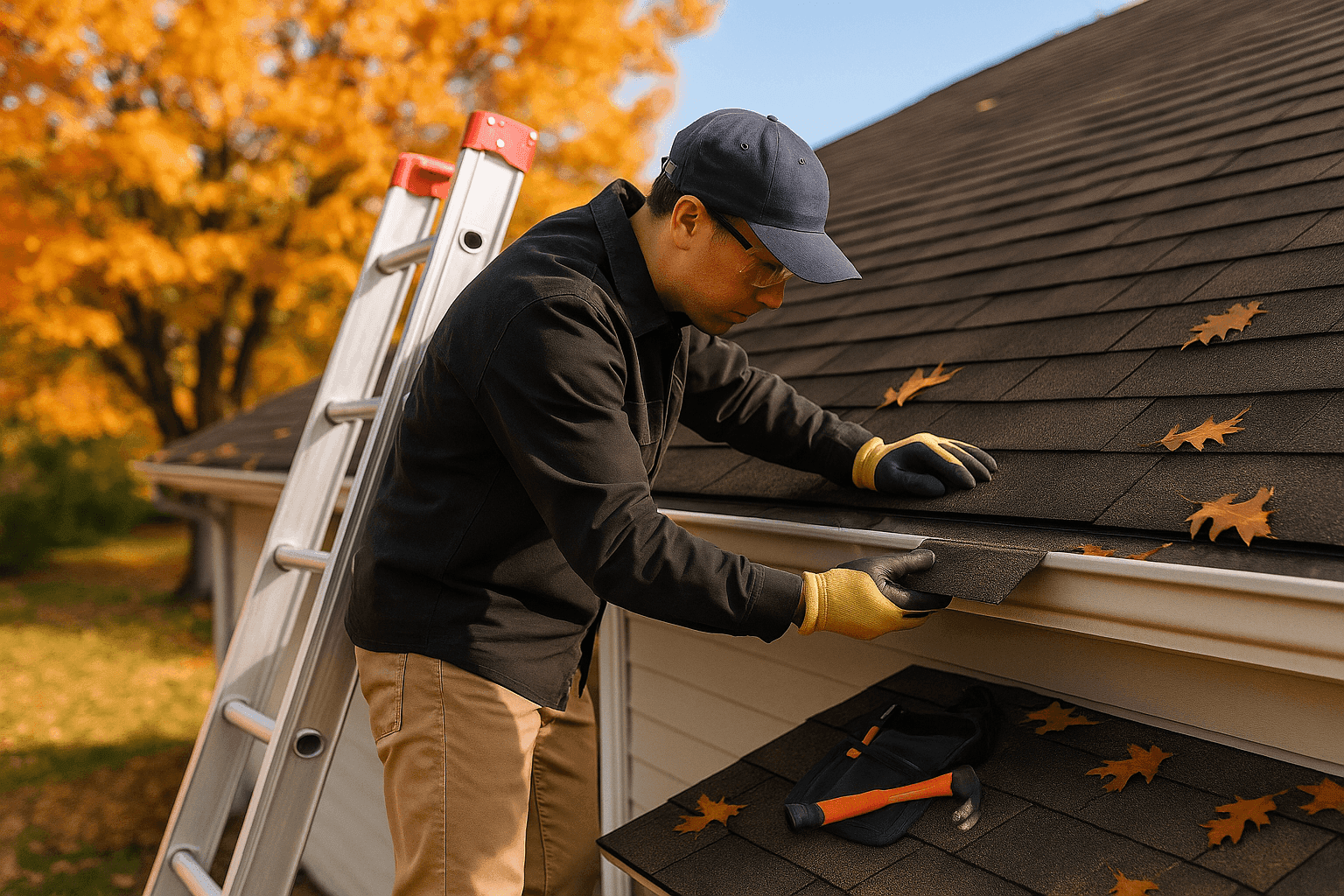
Roofs work hard. They shield us from pounding rain, sizzling sun, and sudden storms. But even the strongest roof needs a little care. Ignore it, and you might wake up to a drip-drip-drip that spells trouble.
At Rich Roofing, we’ve seen firsthand how regular roof maintenance can make the difference between a quick fix and a full-blown emergency roofing situation. Here’s how you can keep your roof in top shape—one season at a time.
Why Seasonal Roof Maintenance Matters
Think of your roof as a trusty umbrella. If you never check for holes or loose spokes, one bad storm can turn it into a soggy mess. The same goes for your home or business. Roofs face a year-round gauntlet—wind, debris, heat, ice, and more. Over time, small issues can snowball into major leaks, structural damage, or even a total roof replacement.
Routine, seasonal checkups catch problems early. That means fewer surprises, lower costs, and peace of mind when the weather turns wild.
Spring: Fresh Starts and Post-Winter Recovery 🌱
Spring is the season of renewal. It’s also the perfect time to undo the damage winter may have left behind.
Inspect for Winter Wear
- Check for missing or damaged shingles: Snow and ice can loosen or crack shingles.
- Look for leaks or stains inside: Water spots on ceilings or walls often point to roof leaks.
- Clear gutters and downspouts: Melting snow brings debris. Clogged gutters can lead to water backup and rot.
Early Leak Detection
- Walk your attic with a flashlight. Look for damp insulation, mold, or sunlight peeking through.
- Examine roof flashing around chimneys and skylights for gaps or rust.
- Inspect sealants and coatings for cracks or peeling.
Schedule a Professional Inspection
A spring inspection by a roofing pro can spot subtle issues—like soft decking or loose fasteners—that are easy to miss. According to the National Roofing Contractors Association (NRCA), regular inspections are key to extending your roof’s life.
Summer: Sun, Storms, and High Heat ☀️
Summer brings more than backyard barbecues. UV rays and sudden storms can stress your roof in unique ways.
Beat the Heat
- Check for curling or blistering shingles: Heat can warp roofing materials, making them more vulnerable.
- Inspect attic ventilation: Poor airflow cooks your roof from below. Make sure vents are clear and insulation is dry.
Prepare for Storms
- Trim overhanging branches: Prevent wind-blown limbs from crashing onto your roof.
- Secure loose objects: Patio furniture or grills can become airborne in strong winds.
- Check sealants: Reapply as needed to keep water out.
Watch for Early Signs of Trouble
- After a storm, walk your property. Look for shingle granules in gutters, bent flashing, or obvious punctures.
- If you spot daylight in your attic, call for emergency roofing help.
Fall: Leaves, Debris, and Getting Ready for Cold 🍂
Fall is nature’s cleanup time—and your cue to prep for winter.
Clean Gutters and Downspouts
- Remove leaves, sticks, and debris. Clogged gutters can overflow, damaging siding and foundations.
- Check for sagging sections or leaks in your gutter system.
Inspect Roof and Flashing
- Look for cracked, missing, or loose shingles.
- Pay close attention to roof valleys, where water naturally flows.
- Examine flashing around chimneys, skylights, and vents.
Preventative Maintenance
- Apply fresh sealant to exposed nail heads or fasteners.
- Schedule a professional roof inspection before the first frost.
Winter: Ice, Snow, and Freeze-Thaw Cycles ❄️
Winter’s freeze-thaw cycles can be brutal. Moisture seeps into cracks, freezes, and expands—widening gaps and causing leaks.
Prevent Ice Dams
- Ensure proper attic insulation: Warm air escaping into the attic melts snow, which then refreezes at the eaves.
- Keep gutters clear: Blocked gutters trap water, increasing the risk of ice dams.
- Use a roof rake: Safely remove heavy snow buildup from the ground.
Watch for Warning Signs
- Icicles hanging from gutters can signal poor insulation or blocked drainage.
- Look for water stains or peeling paint on interior walls.
Emergency Roofing Prep
- Know where your main water shutoff is in case of sudden leaks.
- Keep Rich Roofing’s number handy for fast response to emergencies.
Quick Safety Checklist
- Use a sturdy ladder on level ground.
- Wear rubber-soled shoes for grip.
- Never climb on icy or wet roofs.
- Avoid working alone—have someone nearby.
- If heights or steep slopes make you uneasy, call a professional.
DIY vs. Calling a Pro
Some maintenance tasks are safe for handy homeowners. Clearing gutters, trimming branches, or checking attic insulation can be DIY-friendly. But climbing onto steep or high roofs, handling electrical fixtures, or repairing flashing is risky.
If you spot signs of serious damage or leaks—or if you’re unsure—don’t gamble. Roofing work involves real hazards. Professionals have the right equipment, training, and insurance to get the job done safely and thoroughly.
What Professionals Do On Arrival
When you call Rich Roofing, here’s what you can expect:
- Thorough inspection: We check shingles, flashing, gutters, sealants, and structural elements.
- Leak detection: Using moisture meters and infrared tools, we find hidden water damage.
- Ventilation and insulation check: Proper airflow and insulation keep your roof healthy.
- Immediate repairs: We handle urgent leaks, damaged flashing, and temporary waterproofing on the spot.
- Written assessment: Clear findings and recommendations, so you know your options.
Our team follows Occupational Safety and Health Administration (OSHA) guidelines for every job.
Prevention & Maintenance: Year-Round Tips
- Schedule inspections twice a year: Spring and fall are ideal.
- Keep gutters and downspouts clean: Prevents water backup and ice dams.
- Trim trees and remove debris: Reduces wear and tear from falling branches.
- Check attic ventilation and insulation: Keeps your roof cool in summer and dry in winter.
- Address small issues quickly: A loose shingle today can become tomorrow’s leak.
The International Association of Certified Home Inspectors (InterNACHI) recommends regular roof inspections to catch problems early.
Costs & Time Factors
Roof maintenance costs and timelines vary based on your roof’s size, pitch, and materials. Simple tasks like gutter cleaning or sealant touch-ups may take an hour or two. Full inspections or repairs can take half a day or more.
- Gutter cleaning: 1–2 hours for most homes.
- Minor shingle repairs: 1–3 hours.
- Professional inspection: 1–2 hours, with a written report.
- Major repairs or replacement: Can span a day or longer, depending on damage.
Investing a little time and money each season can save thousands in emergency roofing bills down the road.
When It’s an Emergency
Sometimes, despite your best efforts, disaster strikes. Heavy storms, falling trees, or sudden leaks can’t wait.
Emergency roofing situations include:
- Active leaks or water pouring inside
- Major structural damage (sagging or collapse)
- Large sections of missing or damaged roofing
- Exposed decking or insulation
If you face any of these, don’t delay. Quick action can minimize further damage and protect your home or business.
FAQ: Common Roof Maintenance Questions
How often should I have my roof inspected?
Twice a year—spring and fall—plus after major storms. Regular inspections help catch small issues before they become expensive repairs.
Can I clean my own gutters?
Yes, if you’re comfortable on a ladder and the roof isn’t too steep. Always use proper safety gear, and never work alone.
What are early signs of a roof leak?
Look for water stains on ceilings, musty odors, peeling paint, or visible mold. In the attic, check for damp insulation or sunlight shining through.
Do I need to replace my roof if I find one leak?
Not always. Small leaks can often be repaired if caught early. A professional assessment will determine the best solution.
Special Considerations for Roof Maintenance
- Flat roofs: Watch for standing water and inspect seams carefully.
- Metal roofs: Check for rust, loose fasteners, and worn coatings.
- Tile roofs: Look for cracked or slipped tiles. Tiles are durable but can be brittle if walked on.
- Skylights and chimneys: Inspect flashing and sealants closely. These are common leak points.
- Commercial roofs: Larger surface areas and different materials may require specialized inspections and maintenance.
Remember, every roof is unique. Age, material, and design all play a part in maintenance needs.
A little care each season keeps your roof strong and your home or business protected. Don’t wait for a leak to take you by surprise—make roof maintenance part of your routine.
Call Rich Roofing now — or reach us anytime at 888-871-3277 .