Skylight Installation & Repair: Brighten Your Home Safely
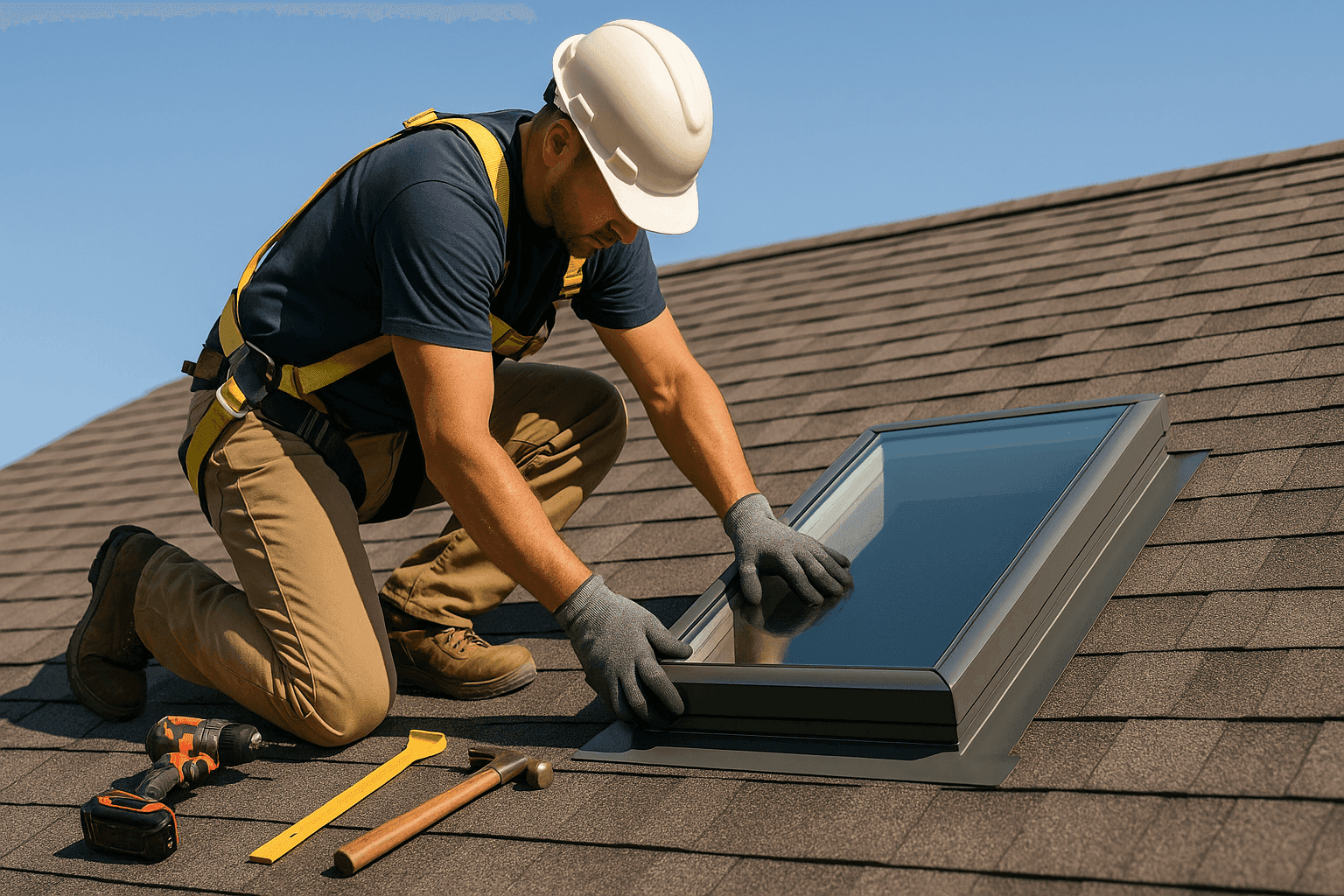
Letting sunlight flood into your living room on a dull day feels like opening a window to summer—no matter the season. But if your skylight drips or fogs up, that dream can quickly become a headache. At Rich Roofing, we understand how urgent and stressful a leaky skylight can be, especially when the weather turns wild. Homeowners across the region call us for emergency roofing help, and we’re here to share what we’ve learned over decades of roof work.
Whether you’re considering a new skylight, worried about leaks, or ready to refresh an old one, this guide covers what you need to know. Get practical advice and real-world steps for keeping your home bright, dry, and comfortable.
Benefits of Skylights ☀️
A skylight isn’t just a window on your roof—it’s a channel for sunshine and fresh air. Here’s why homeowners love them:
- Natural Light: Skylights wash rooms in sunlight, lifting your mood and making small spaces feel bigger. Studies show exposure to daylight can boost focus and well-being (U.S. Department of Energy).
- Energy Savings: By making the most of daylight, you’ll use electric lights less—especially in kitchens, hallways, and bathrooms. The right skylight can even help control heating costs in winter.
- Ventilation: Some skylights open to let out hot air and moisture, reducing the risk of mold and keeping your attic or bathroom fresh. It’s like giving your house a gentle exhale.
Installing a skylight is a bit like planting a tree in your living room—if you do it right, it grows into comfort and value for years.
Choosing the Right Skylight
Skylights come in more styles than you might expect. Picking the right one makes a world of difference.
Fixed vs. Vented
- Fixed Skylights: These don’t open. They’re great for adding light in places where airflow isn’t needed—think stairwells or hallways.
- Vented Skylights: These can be opened manually or with a remote. Perfect for kitchens and bathrooms, where steam and odors gather.
Glazing: Single, Double, or Even Triple?
The “glazing” is the glass or plastic that fills your skylight frame.
- Single Pane: Least expensive, but less energy efficient. More likely to sweat or fog.
- Double/Triple Pane: Better insulation. Cuts down on noise and keeps heat or cool air inside where it belongs.
Placement: Where Should It Go?
- South-Facing Skylights: Bring in maximum sunlight—good for chilly climates.
- North-Facing: Softer, cooler light. Less risk of overheating in summer.
- Slope & Angle: Skylights installed at the right angle shed water and resist leaks better. Local building codes (like the International Residential Code) guide safe installation angles.
A poorly placed skylight is like a lamp pointed at a wall—bright but wasted. Thoughtful planning pays off for years.
Preventing and Fixing Leaks 💧
The biggest worry for most homeowners? Leaks. Water stains, moldy smells, and damaged drywall aren’t just ugly—they can mean deeper trouble.
Proper Flashing—Your Best Friend
Flashing is the “raincoat” that seals the edges where your skylight meets the roof. Without good flashing, leaks are almost certain. At Rich Roofing, we use step flashing and high-quality sealants to keep water out—even in wild storms.
Signs of Water Intrusion
- Brown spots on the ceiling near your skylight
- Bubbling or peeling paint
- Dripping or puddles after rain
- Musty smells, especially after storms
If you spot any of these, it’s time to act fast. Water damage spreads like a spilled drink on a tablecloth.
Repair Steps
- Inspection: Check the outside for cracked or missing shingles, warped flashing, or gaps.
- Replace Flashing: Remove the skylight’s old flashing and install new, overlapping pieces.
- Seal Joints: Use roofing-grade sealant around all seams.
- Test: After repairs, spray water over the skylight and check inside for leaks.
If the problem keeps coming back or gets worse during storms, call emergency roofing professionals near you. Skylight leaks rarely fix themselves and often signal bigger roof issues.
Quick Safety Checklist
Before tackling any skylight work—especially on the roof—run through this checklist:
- Use a sturdy, non-slip ladder.
- Wear shoes or boots with good grip.
- Don’t work alone; have someone nearby.
- Never step directly on the skylight.
- Avoid working in wet or windy conditions.
- Know your limits—if in doubt, step back and call for help.
Your safety comes first. Roofs are slippery and high places demand respect.
DIY vs. Call a Pro
Some homeowners enjoy the challenge of DIY skylight repairs or installs. But ask yourself:
- Do you have the right tools and materials?
- Can you safely access the roof?
- Are you familiar with local building codes?
A DIY job done wrong can lead to leaks, drafts, and even voided home insurance. For anything beyond basic cleaning or checking for debris, it’s wise to call in roofers with specific experience in skylight installation and repair. At Rich Roofing, our crews handle everything from emergency roofing to intricate flashing repairs—saving you time, risk, and repeat headaches.
What Pros Do On Arrival
When you schedule a skylight repair or installation with a professional like Rich Roofing, here’s what typically happens:
- Full Roof Inspection: We check not just the skylight, but also shingles, flashing, and attic insulation.
- Leak Detection: Using moisture meters and visual checks, we trace any signs of water intrusion.
- Code & Safety Compliance: All work follows International Residential Code (IRC) and OSHA safety guidelines.
- Quality Materials: We select the right skylight, flashing, and sealants for your roof type—shingle, metal, tile, or flat.
- Cleanup: After installation or repair, we ensure your home and yard are spotless.
Our goal is to make your home safer, brighter, and free from hidden roof problems.
Prevention & Maintenance 🛠️
Like changing your furnace filter or cleaning gutters, skylight care should be part of regular home maintenance.
Tips to Keep Skylights Leak-Free
- Check for debris and leaves around the skylight after storms.
- Inspect the ceiling underneath for new stains every few months.
- Clean glass or acrylic gently with mild soap and water.
- If you spot cracked caulk or worn flashing, schedule a quick inspection.
Preventative maintenance from roofing professionals—especially those offering Ventilation & Insulation near you—can catch issues before they become emergencies.
Costs & Time Factors
How much does skylight work cost? It depends on what you need:
- New Installation: Takes from half a day to several days. Complexity, roof type, and size matter.
- Repair: Simple resealing or flashing replacement can be done in a few hours.
- Replacement: Removing the old skylight and installing a new one may take a full day.
Costs range based on materials (plastic vs. glass, manual vs. electric), roof pitch, and accessibility. Emergency roofing services can add to the price if work happens after hours or during severe weather. Always request a clear estimate—and remember, cutting corners rarely pays off in roof work.
When It’s an Emergency 🚨
If you see water pouring in, or daylight through a gap where there shouldn’t be one, that’s an emergency. Fast action keeps damage from spreading.
- Contain the Leak: Place buckets or towels to catch water.
- Protect Valuables: Move furniture, electronics, and rugs away from the leak.
- Call for Emergency Roofing: A qualified crew can tarp and seal the area until permanent repairs can be made.
Remember, even a small leak can soak insulation, wiring, and framing—leading to mold or structural damage. Don’t wait.
FAQ
Q: How long do skylights last?
A: Most modern skylights last 15–20 years with proper care, but flashing and seals may need attention sooner.
Q: Can I install a skylight in any roof?
A: Most homes can, but flat roofs and steep slopes require special products and techniques.
Q: What’s the best time of year for installation?
A: Spring and fall offer mild weather, but emergency roofing teams can work year-round.
Q: Will a skylight make my home hotter in summer?
A: Not if you choose the right glazing and placement. UV coatings and shades help manage heat.
Local/Seasonal Considerations
Your local climate shapes skylight performance. In areas with heavy snow or rain, proper flashing and steep installation angles help shed water fast. In hot climates, low-emissivity (Low-E) coatings limit heat gain. Always follow local building codes and consult roofing professionals familiar with your region’s weather patterns.
Brighten Your Home—Safely and Securely
A skylight can transform your home from the inside out—if it’s installed and maintained with care. Don’t let a small leak turn into a big problem. Whether you need a new install, fast leak repair, or just advice on the right option for your house, Rich Roofing is ready to help.
Call Rich Roofing now — or reach us anytime at 888-871-3277 .