Storm Damage Roof Restoration: What Homeowners Need to Know
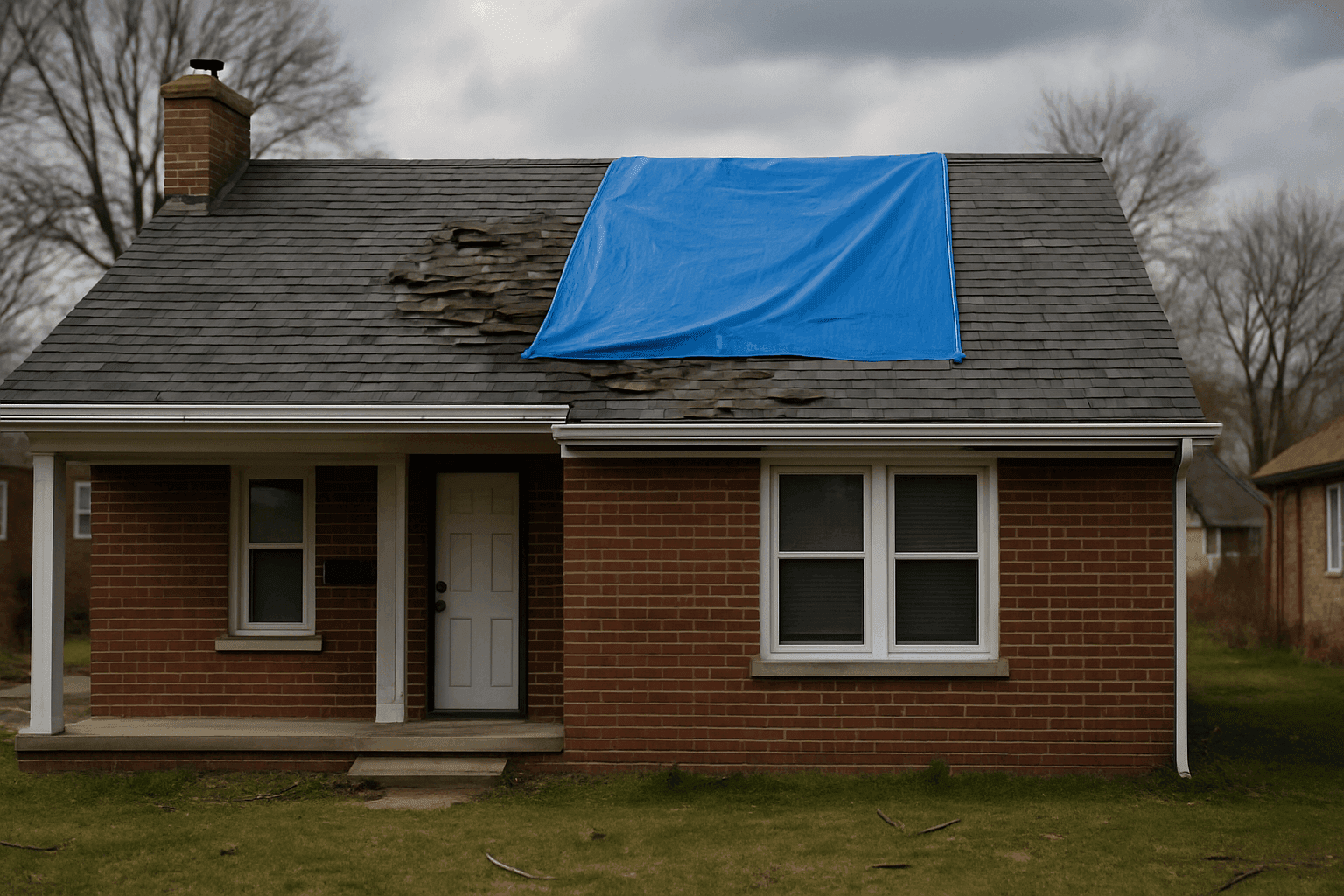
When a storm barrels through your neighborhood, the damage can hit fast—sometimes before you even realize it’s happening. Shingles scattered in the yard. Gutters hanging like broken arms. Water trickling where it shouldn’t.
At Rich Roofing, we know how overwhelming storm damage feels. We’ve helped families just like yours—day and night—respond, recover, and restore their homes safely. Here’s what every homeowner should know, from the first check after the storm passes to the final inspection when the roof is back to normal.
Assessing Storm Damage 🕵️
Step outside after the storm—but pause for safety. Never climb onto a damaged roof. Instead, walk around your home and look up from the ground. Grab your phone or camera. The more details you capture, the smoother the path ahead will be.
What to check (from the ground):
- Missing, curled, or cracked shingles
- Metal roofing panels bent or dislodged
- Shingle granules collecting in gutters or at downspouts
- Damaged vents, skylights, or chimney flashing
- Sagging or detached gutters and downspouts
- Debris—tree limbs, branches, or foreign objects—on the roof
- Signs of water stains on ceilings or walls inside
Photograph everything:
Take wide shots to show context, then zoom in on specific damage. Snap photos of any water leaks or stains inside your attic or rooms directly below the roof. These images may be essential for insurance claims and help restoration crews understand the scope.
Temporary Protection
If the roof’s been opened up—shingles gone, holes visible—water can invade fast. That’s when temporary protection comes in, like putting on a raincoat before you fix a tear.
Emergency steps:
- Place buckets or containers under active leaks indoors.
- Lay plastic sheeting or waterproof tarps over the worst spots—secure edges with boards or heavy objects.
- If you can safely reach loose shingles or gutters from a ladder, use caution to prevent further damage or injury.
Safety first:
Never attempt to walk on a wet or compromised roof. Emergency roofing teams, like Rich Roofing, have the gear and training for fast, safe tarping and shingle securing, even in difficult conditions.
Insurance Claims Process 📑
Dealing with insurance after a storm can feel like navigating a maze. Documentation is your compass.
Steps to start:
- Call your insurance provider as soon as possible to report the damage.
- Provide all photos and notes you’ve taken.
- Save receipts for any emergency repairs or temporary protection (tarps, materials).
- Keep a log of all communications—dates, names, and details discussed.
Working with adjusters: Expect an insurance adjuster to visit and inspect the damage. They’ll want to see both your documentation and the current state of your roof. Be present if possible to point out damage and answer questions.
What to expect:
- The adjuster provides an initial estimate and may request more info.
- Your claim is reviewed; additional documentation may be needed.
- Once approved, you’ll receive details on covered repairs, replacement options, and any deductibles.
Pro tip:
A reputable emergency roofing company, like Rich Roofing, can coordinate directly with your insurance adjuster, providing professional assessments and clear restoration plans.
Professional Restoration Steps
Once the paperwork is underway, here’s what happens next:
1. Inspection
A certified crew arrives and performs a thorough inspection, checking not just visible issues but also hidden damage—like compromised insulation, ventilation, or structural beams.
2. Estimate
You’ll receive a transparent estimate outlining materials, labor, and timeline. No guesswork—only what’s needed to restore your roof safely and correctly.
3. Restoration Timeline
- Emergency repairs (tarping, shingle replacement) may start immediately.
- Full restoration—removal, repairs, or replacement—depends on weather, material availability, and the extent of damage.
- Most emergency roofing projects are completed within days, but severe storms or supply shortages can extend this.
Trust in Rich Roofing’s Emergency Experience
Storms don’t wait for business hours—and neither do we. Rich Roofing’s certified crews are available 24/7 for emergency roofing needs, from leak repair to full restoration. We’ve handled everything from minor shingle fixes to major structural repair, for both residential and commercial properties.
We guide you through every step, including insurance communications and code compliance based on standards like the International Building Code (IBC) and National Roofing Contractors Association (NRCA) safety guidelines.
Quick Safety Checklist ✅
When in doubt, always put safety first. Here’s a rapid checklist:
- Stay off the roof—let professionals handle the heights.
- Avoid downed power lines or standing water near your home.
- Check for water leaks indoors and move valuables if needed.
- Document damage thoroughly; don’t throw away damaged materials.
- Contact emergency roofing services if there’s any doubt about roof stability.
DIY vs. Call a Pro
It’s tempting to grab a ladder and “just fix it.” But storm damage is like an iceberg—what you see might be only a fraction of the real problem.
DIY:
- Safe for minor, ground-level tasks (collecting debris, covering small leaks with tarp)
- Not safe for climbing, major repairs, or structural issues
Call a Pro:
- When there’s visible roof or gutter damage
- If water is entering your home
- For full inspections and insurance documentation
- When you need emergency tarping or leak repair
Remember, professionals have specialized equipment and safety training. They’ll spot hidden hazards and fix them before they become bigger headaches.
What Pros Do On Arrival 🛠️
The cavalry arrives. Here’s what to expect:
- Safety assessment for you and your family
- Full roof inspection—inside and out
- Fast emergency repairs (tarping, sealing, securing loose materials)
- Detailed report and estimate for permanent restoration
- Coordination with your insurance adjuster
- Clear communication about next steps, timeline, and any follow-up
Rich Roofing’s crews are trained in storm response, working quickly to minimize further damage and start lasting repairs.
Prevention & Maintenance
Mother Nature can be unpredictable, but a little preparation goes a long way.
Tips for next time:
- Schedule regular roof inspections, especially before storm season
- Clean gutters and downspouts to prevent water backup
- Secure loose shingles, flashing, and roof vents
- Trim tree branches that hang over your roof
- Ask about eco-friendly options for added durability
Routine maintenance—like Ventilation & Insulation near you—keeps your roof ready to weather the next big storm.
Costs & Time Factors
No two roof restorations are identical. How much and how long depends on:
- The size and slope of your roof
- Materials (shingle, metal, tile, flat roofs, etc.)
- Extent of damage (surface vs. structural)
- Weather and material availability
- Scope of insurance coverage
Emergency repairs can often be done same-day. Full restoration may take a few days to several weeks, especially if decking, insulation, or structural repair is needed.
When It’s an Emergency 🚨
- Water pouring into your home or attic
- Major sections of roof missing or collapsed
- Electrical hazards (wires exposed near roof damage)
- Structural instability (sagging rooflines, interior cracks)
If any of these are true, call emergency roofing services immediately. Don’t wait. Protect your family and property first—repairs come next.
FAQ
How soon after a storm should I inspect my roof?
As soon as it’s safe—ideally within a few hours, but always from the ground or indoors.
Will insurance cover all storm roof damage?
Coverage varies by policy. Most include wind, hail, and falling debris, but check your deductible and exclusions.
Can I make temporary repairs myself?
Small actions like placing buckets or tarping from the ground are fine, but don’t risk injury. Leave heights and major repairs to professionals.
How do I choose a reputable emergency roofing contractor?
Look for certified crews, 24/7 availability, and a clear process for inspections, documentation, and restoration. Check reviews and verify credentials.
Local/Seasonal Considerations
Storm damage doesn’t care about your zip code. Still, some regions face unique challenges:
- Coastal areas: wind-driven rain, salt exposure
- Northern climates: ice dams, heavy snow loads
- Tornado/hurricane zones: flying debris, widespread shingle loss
Rich Roofing adapts restoration and preventative maintenance to fit your local climate—because every home deserves the right protection.
The moments after a storm can feel like a whirlwind. But you don’t have to face it alone. For emergency roofing, storm restoration, and peace of mind, Call Rich Roofing now — or reach us anytime at 888-871-3277 .