The Ultimate Guide to Roof Ventilation and Insulation for Year-Round Comfort
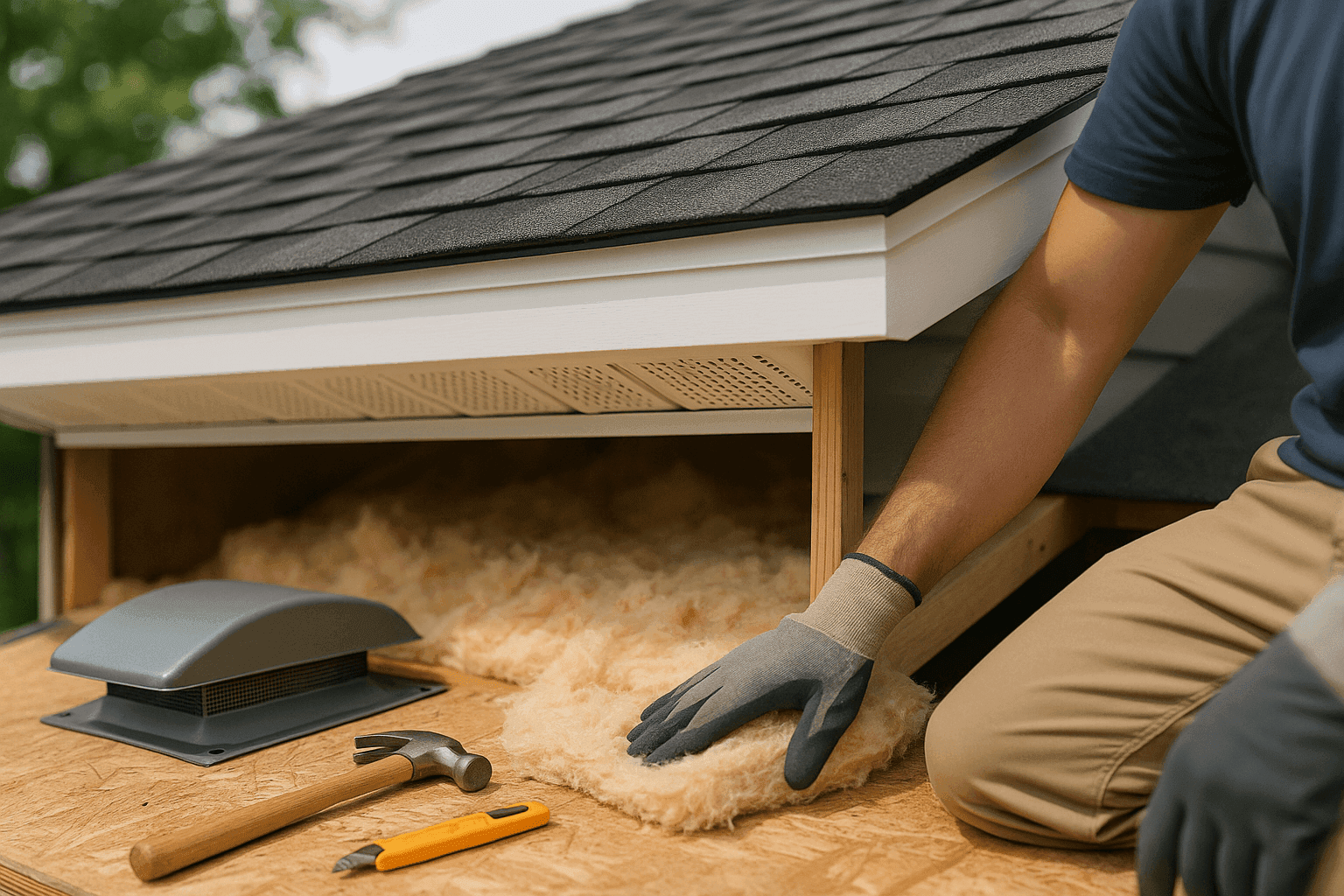
When your home or business feels stuffy in summer or drafty in winter, the real culprit could be above your head. Roof ventilation and insulation are the unsung heroes of comfort and efficiency. Ignore them, and you might just be inviting sky-high energy bills, moisture headaches, and even emergency roofing problems.
At Rich Roofing, we’ve helped countless families and business owners create healthier, longer-lasting roofs. Let’s break down what you need to know—without the jargon or empty promises.
What is Roof Ventilation? 🌬️
Think of your roof like a set of lungs for your building. It needs to breathe. Roof ventilation is all about creating a steady flow of air through your attic or roof cavity. This airflow helps carry away excess heat and moisture before they can cause trouble.
Without proper ventilation, heat gets trapped in summer. That can cook your shingles from the inside out. In winter, moisture builds up, leading to mold, wood rot, and even ice dams. According to the International Residential Code (IRC), every attic should have balanced intake and exhaust vents to keep air moving.
Why Does Airflow Matter?
- Reduces heat buildup: Less strain on your air conditioner.
- Controls moisture: Stops mold, mildew, and rot.
- Prevents ice dams: Keeps roof temperatures even in cold months.
- Extends roof life: Shingles and decking last longer.
If your attic feels like a sauna or you see frost in winter, your roof might be gasping for air.
How Insulation Works to Regulate Temperature
Insulation is like a thick winter coat for your building. It traps the air you want to keep—warm in winter, cool in summer. The right insulation in the right places can cut your energy bills dramatically.
The U.S. Department of Energy recommends attic insulation with an R-value suited for your climate. R-value measures how well insulation resists heat flow. The higher the number, the better the performance.
Key Benefits of Proper Insulation
- Stable indoor temperatures: Less up-and-down between seasons.
- Lower energy costs: Your HVAC system gets a break.
- Prevents condensation: Stops water from dripping into living spaces.
- Boosts comfort: No more cold spots or stifling heat upstairs.
Insulation and ventilation work together. Insulation keeps the heat or cold where it belongs, while ventilation carries away what you don’t want.
Common Ventilation and Insulation Types
There’s no one-size-fits-all. Here’s what you’ll find in most homes and businesses:
Ventilation Types
- Ridge Vents: Run along the peak of the roof. They let hot air escape naturally.
- Soffit Vents: Installed under the eaves. These pull in fresh air from outside.
- Gable Vents: Placed on the ends of the attic. Help with cross-ventilation.
- Powered Attic Fans: Use electricity to boost airflow in stuffy spaces.
Insulation Types
- Fiberglass Batts: Like thick blankets, easy to roll out between rafters.
- Spray Foam: Expands to fill gaps. Great for odd-shaped spaces and air sealing.
- Blown-In Cellulose: Loose-fill, good for topping up existing insulation.
- Rigid Foam Boards: High R-value, often used in new construction or flat roofs.
Each type has its pros and cons. The right choice depends on your roof style, budget, and goals.
Seasonal Benefits and Damage Prevention
Roof ventilation and insulation aren’t just for comfort—they’re your first line of defense against seasonal headaches.
Summer
- Stops heat from building up in the attic.
- Prevents shingles from curling and aging too quickly.
- Cuts cooling costs.
Winter
- Reduces risk of ice dams (those nasty ridges of ice that back up water under shingles).
- Keeps attic dry, stopping mold and rot.
- Maintains even roof temperature.
Year-Round
- Protects roof structure from warping.
- Prevents emergency roofing calls due to leaks or sudden damage.
- Helps gutters and downspouts work efficiently by reducing freeze-thaw cycles.
DIY Maintenance Tips and When to Call a Pro
Some tasks are safe for handy homeowners. Others are best left to qualified roofing professionals. Here’s how to tell the difference.
What You Can Do
- Inspect vents: Look for blockages like leaves, nests, or insulation.
- Check attic insulation: If you can see joists peeking through, you probably need more.
- Watch for moisture: Damp spots, moldy smells, or frost in the attic are red flags.
- Clear gutters and downspouts: Keeps water moving away from your roof and foundation.
When to Call a Pro
- Persistent leaks or stains: These can signal hidden ventilation or insulation problems.
- Visible mold or rot: Needs professional remediation and repairs.
- Major temperature swings: If one room is always too hot or cold, your system may be unbalanced.
- After a storm: High winds and hail can damage vents and insulation.
Roof work can be hazardous. The National Roofing Contractors Association (NRCA) recommends using proper fall protection and never working alone on a roof.
Assessing Your Roof System: A Step-by-Step Guide
- Walk around your property. Look for missing or damaged vents.
- Peek into your attic. Are there damp spots or signs of animal activity?
- Feel for drafts or temperature swings in upper floors.
- Check your energy bills for sudden spikes.
- Schedule a professional inspection if you notice anything unusual.
Long-Term Cost Savings and Comfort Improvements
Upgrading your roof ventilation and insulation isn’t just about fixing a draft. It’s an investment that pays off in lower bills, fewer repairs, and a more comfortable space—season after season.
According to the Department of Energy, proper attic insulation and ventilation can reduce heating and cooling costs by up to 20%. That’s money back in your pocket, not floating out through the roof.
DIY Maintenance Tips and When to Call a Pro
Quick Safety Checklist
- Always use a sturdy ladder.
- Wear gloves and a dust mask when handling insulation.
- Never cover or block attic vents.
- Don’t step between rafters—stick to solid boards.
- If you smell mold or see water stains, stop and call a professional.
Common Questions About Roof Ventilation and Insulation
How often should I check my attic ventilation and insulation?
At least twice a year—spring and fall are ideal. After major storms, it’s smart to take another look.
Can I add more insulation myself?
You can add fiberglass batts or blown-in insulation if you’re comfortable and follow safety guidelines. For spray foam or large upgrades, call a professional.
What’s the biggest sign I have a ventilation problem?
Hot, stuffy attics in summer and frost or dampness in winter. Moldy smells are a big warning sign.
Will better ventilation and insulation prevent all leaks?
They help, but leaks can also come from flashing, shingles, or gutters. Regular roof inspections are key.
Special Considerations for Your Roof
- Flat roofs: Need special attention to avoid trapped moisture.
- Metal roofing: Can sweat without proper ventilation.
- Historic or older homes: May have limited space for upgrades—professional assessment is crucial.
- Commercial buildings: Often require custom ventilation solutions due to larger roof spans and equipment.
When It’s an Emergency
If you spot water pouring in, see sagging ceilings, or feel unsafe, call emergency roofing services immediately. Quick action can prevent bigger headaches and protect your property.
Ready to make your roof healthier, safer, and more comfortable all year? Call Rich Roofing now — or reach us anytime at 888-871-3277 .